
Quick Facts About Dental Crowns
Key Benefits: Dental crowns can protect and strengthen damaged teeth while restoring their natural shape, size, color, and function.
Potential Candidates: Patients with cracked, broken, severely decayed, worn, or discolored teeth, as well as those who have had a root canal or need an implant restoration, may be good candidates.
Treatment Details: Treatment typically involves reshaping the tooth, taking impressions, and placing a custom-made crown, often over two visits or in a single same-day appointment.
Result Longevity: With good oral hygiene and regular dental visits, most crowns last 10 to 15 years or longer.
Dental crowns can be used to cover and protect teeth, improving function and aesthetics. Our Blaine dentists offer custom-crafted crowns to address a variety of dental concerns, from protecting teeth after root canals to enhancing the aesthetics of individual teeth.
What Are the Benefits of Dental Crowns?
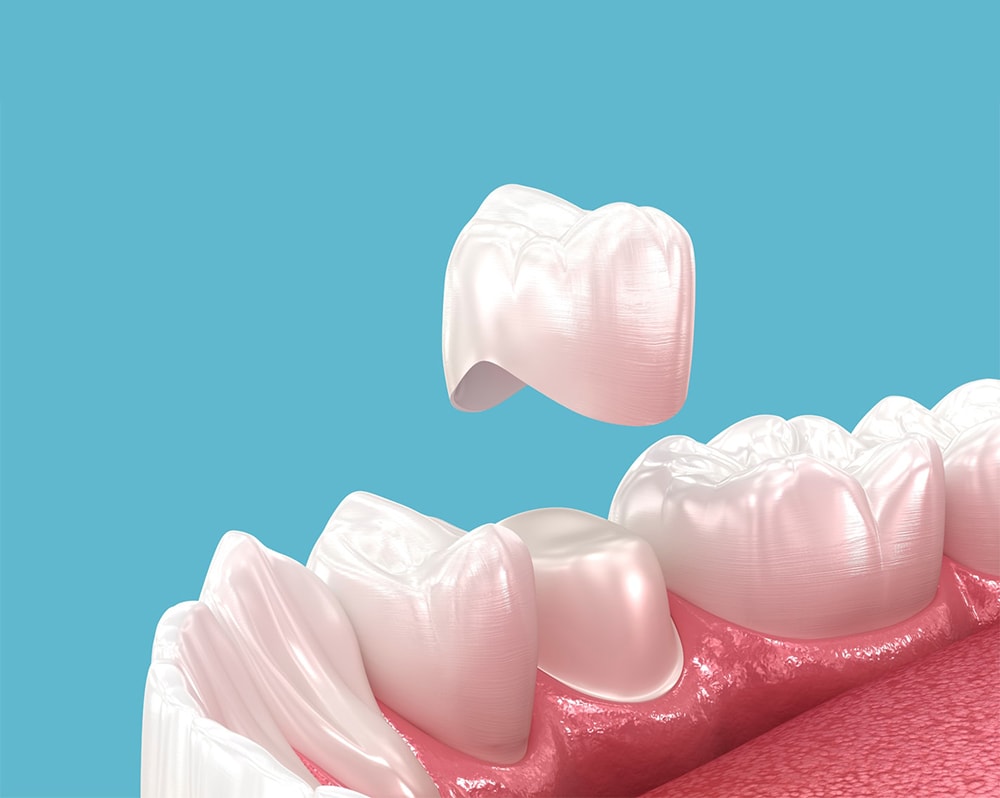
Dental crowns help restore the strength, shape, and appearance of teeth that are damaged, decayed, or weakened. By covering the entire visible portion of a tooth, a crown can protect it from further cracking or breakage and allows you to bite and chew with confidence again. Crowns are also known to be highly versatile. They are frequently used to cap a tooth after root canal therapy, anchor a dental bridge, top a dental implant, or improve the look of a misshapen or severely discolored tooth. In many cases, a crown can save a tooth that might otherwise need extraction, helping you preserve your natural smile and maintain proper bite alignment.
When Do You Need a Dental Crown?
Dental crowns are a versatile treatment that can be used to address a variety of functional and aesthetic concerns. Some situations where a dental crown might be needed include:
- Tooth Decay: Crowns may be used when a tooth is severely decayed and cannot support a filling.
- Cracked or Fractured Teeth: Dental crowns can protect and hold together a cracked or broken tooth.
- Large Fillings: When a large portion of the tooth is filled, the tooth structure may need additional support from a crown.
- Root Canal Treatment: After a root canal, crowns can be used to strengthen the treated tooth.
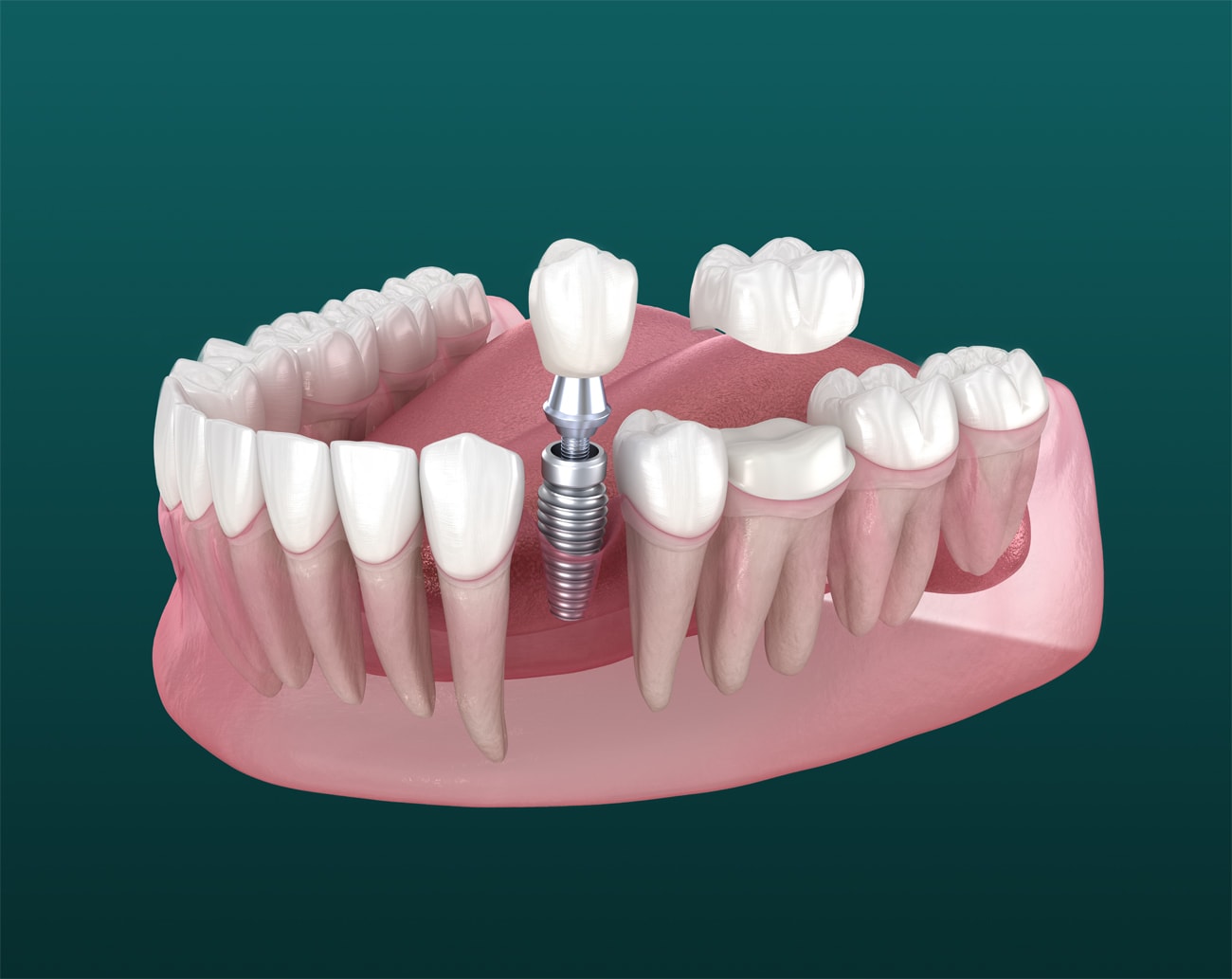
- Dental Implants: Custom crowns are used to restore single-tooth dental implants.
- Cosmetic Enhancement: Crowns may be placed to improve the appearance of discolored or misshapen teeth.
- Worn Teeth: For teeth that are severely worn down due to grinding or erosion, crowns can provide support and aesthetic improvements.
- Support for Dental Bridge: Crowns may be placed on top of the adjacent healthy teeth to support a dental bridge that replaces a missing tooth.
What Is the Dental Crown Procedure Like?
The process of getting a dental crown is typically completed in two visits. During your first appointment, we will examine and prepare the tooth, which may involve removing any decay or old restorations and gently reshaping the tooth to make room for the crown. After we take impressions of your tooth, your custom crown can be crafted to match the shape, size, and color of your natural teeth.
While your permanent crown is being fabricated, a temporary crown will be placed to protect the tooth. Once your final restoration is ready—typically within two to three weeks—you will return to the office for the second visit. At that time, your dentist will check the fit and appearance of the new crown before bonding it in place.*
How Is Recovery Following the Dental Crowns Procedure?
Recovery after getting a dental crown is usually quick and straightforward. Right after your crown is placed, it’s best to avoid chewing until any potential numbness subsides. It’s common to experience mild sensitivity to hot and cold or slight gum tenderness around the treated tooth for several days. Over-the-counter pain relievers and a soft-food diet can help ease discomfort. If you receive a temporary crown while your permanent one is being made, steer clear of sticky or hard foods and chew on the opposite side. Contact our team if your bite feels uneven or sensitivity persists beyond a couple of weeks.
How Long Do Dental Crowns Last?
With proper care, dental crowns typically last 10 to 15 years, and many last even longer. The lifespan of your crown often depends on factors such as the material used, its location in your mouth, and your daily habits. To extend the life of your crown, brush twice a day, floss daily, and keep up with regular dental cleanings and exams. Avoid chewing ice, hard candy, or non-food items, and ask about a nightguard if you clench or grind your teeth. Although the crown itself cannot decay, the tooth beneath it can, so consistent oral hygiene is essential.
How Much Do Dental Crowns Cost?
The cost of a dental crown can vary depending on several factors, including the material used, the location of the tooth, and whether additional procedures (e.g. implants or a root canal) are needed. Dental insurance plans may cover part of the cost if the crown is deemed medically necessary, such as in cases of decay or trauma.
At your first visit to Legacy Dental Care, our team will provide a personalized treatment plan and walk you through your expected costs. We are happy to discuss your insurance coverage, flexible payment options, and financing resources to help make your care as affordable and accessible as possible.
Interested in learning more about dental crowns? Contact Legacy Dental Care in Blaine today.